The Best National Parks in the UK: Which One Stands Out?
A guide to the best national parks in the UK, comparing landscapes, highlights, and what makes each one unique to help you choose where to visit.
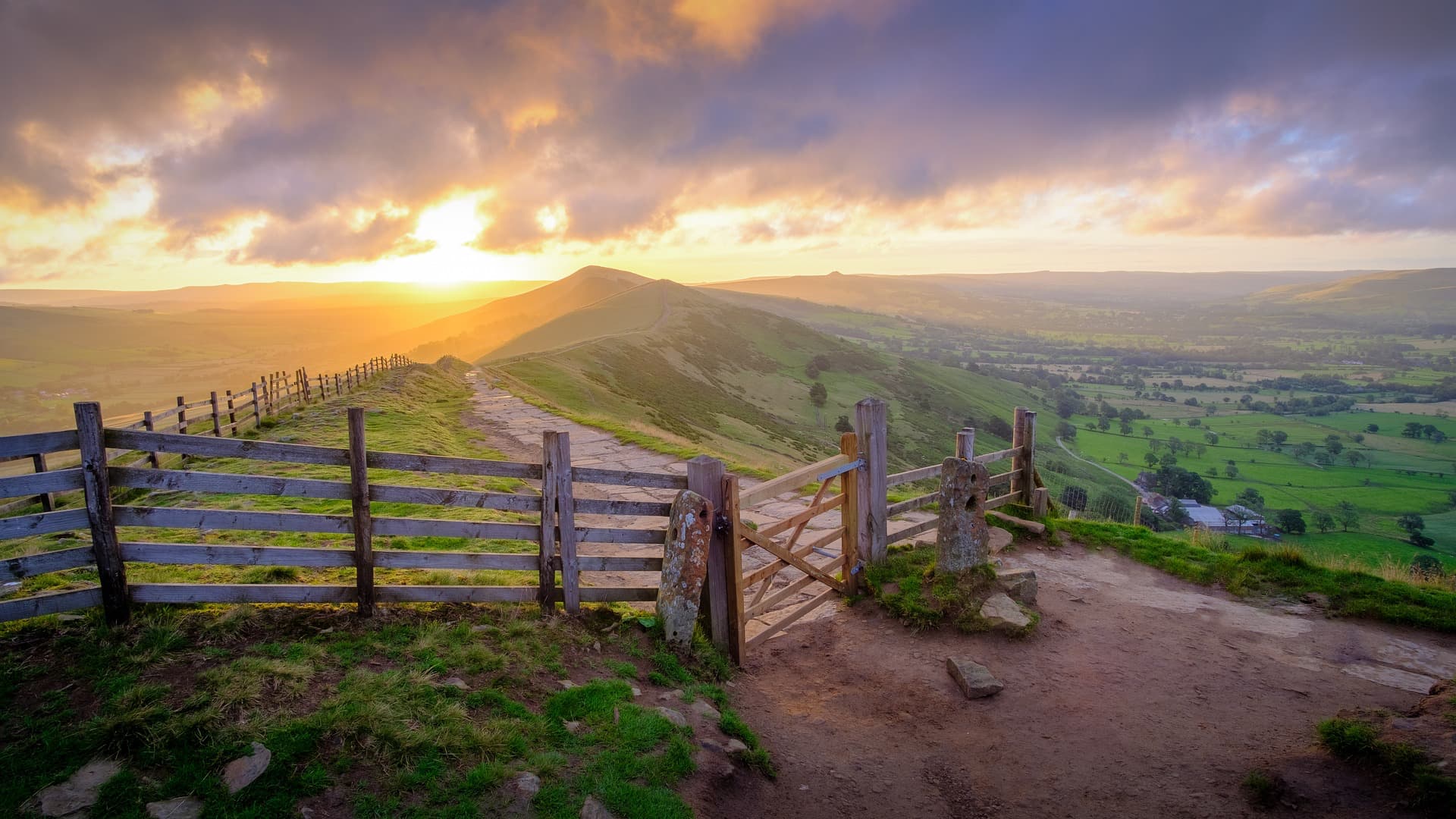
There’s more than a dozen national parks in the UK, each with its own stunning landscapes, wildlife, history and heritage.
The best national parks showcase the unique geography and traditions of its region. The Lake District, for example, is best known for its breathtaking lakes and rugged mountains, making it popular with hikers.
In contrast, Dartmoor in Devon features striking granite tors and ancient woodlands, attracting visitors who’re more interested in history and archaeology.
Exploring these parks is a fantastic way to embrace the outdoors. With well-marked trails, visitor centres, and diverse wildlife, there’s something for everyone.
Best National Parks In The UK
The United Kingdom is home to 15 stunning national parks, spanning England, Scotland, Wales, and Northern Ireland. From the dramatic peaks of the Lake District and the Cairngorms to the waters of Loch Lomond and the Trossachs, each park offers a unique way to experience the great outdoors.
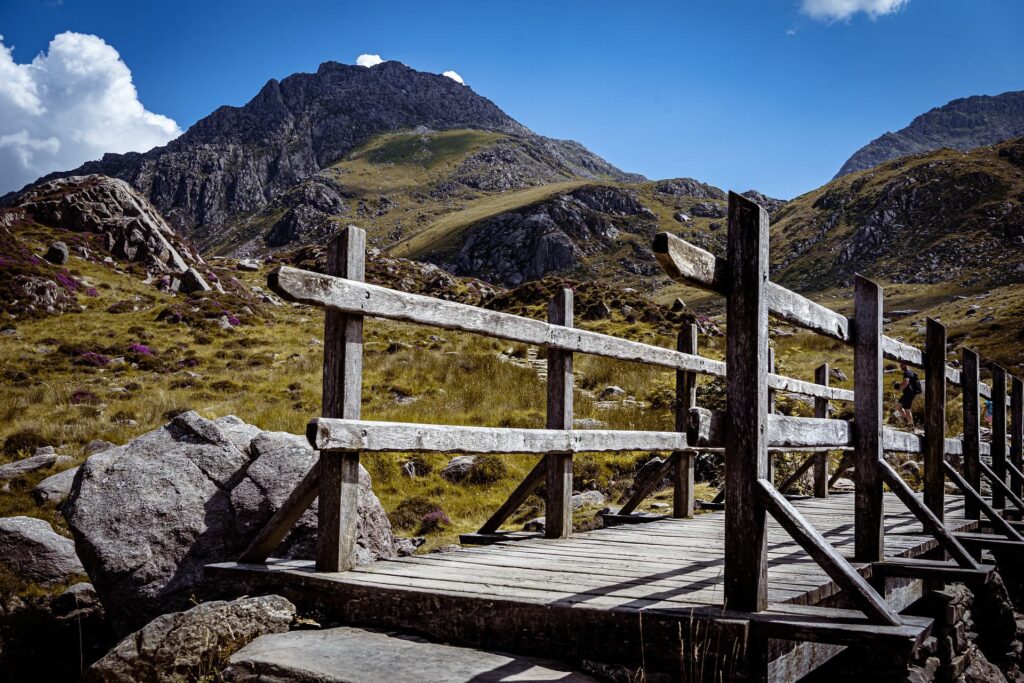
Every national park has its own distinct character. Snowdonia in Wales, known locally as Eryri, is renowned for its striking mountains, including Yr Wyddfa (formerly Mount Snowdon), the highest peak in Wales.
Northumberland and the Yorkshire Dales attract visitors with their wide open landscapes and rich history, while parks like the New Forest, Brecon Beacons, and Exmoor highlight the UK’s diverse natural beauty.
Whether you’re cycling through the Peak District, walking along Pembrokeshire’s scenic coastal paths, or soaking in the panoramic views of Exmoor, the UK’s national parks promise unforgettable experiences for everyone and are perfect for slow travel.
So, which of these natural treasures will you explore? Here’s the guide from The Practical Traveller.
- Peak District (England)
- Lake District (England)
- Snowdonia (Wales)
- Dartmoor (England)
- Pembrokeshire Coast (Wales)
- North York Moors (England)
- Yorkshire Dales (England)
- Exmoor (England)
- Northumberland (England)
- Brecon Beacons (Wales)
- The Broads (England)
- Loch Lomond and The Trossachs (Scotland)
- Cairngorms (Scotland)
- New Forest (England)
- South Downs (England)
My 6 Favourite National Parks
1. Lake District National Park
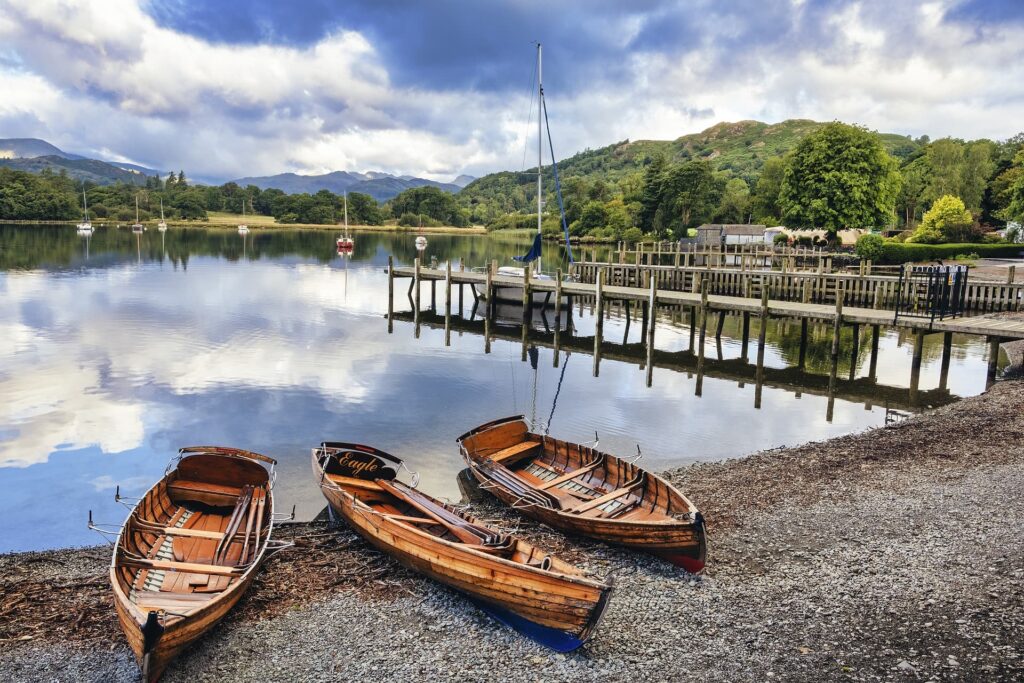
- Where: Cumbria (England)
- Visitors: Over 19.5 million annually
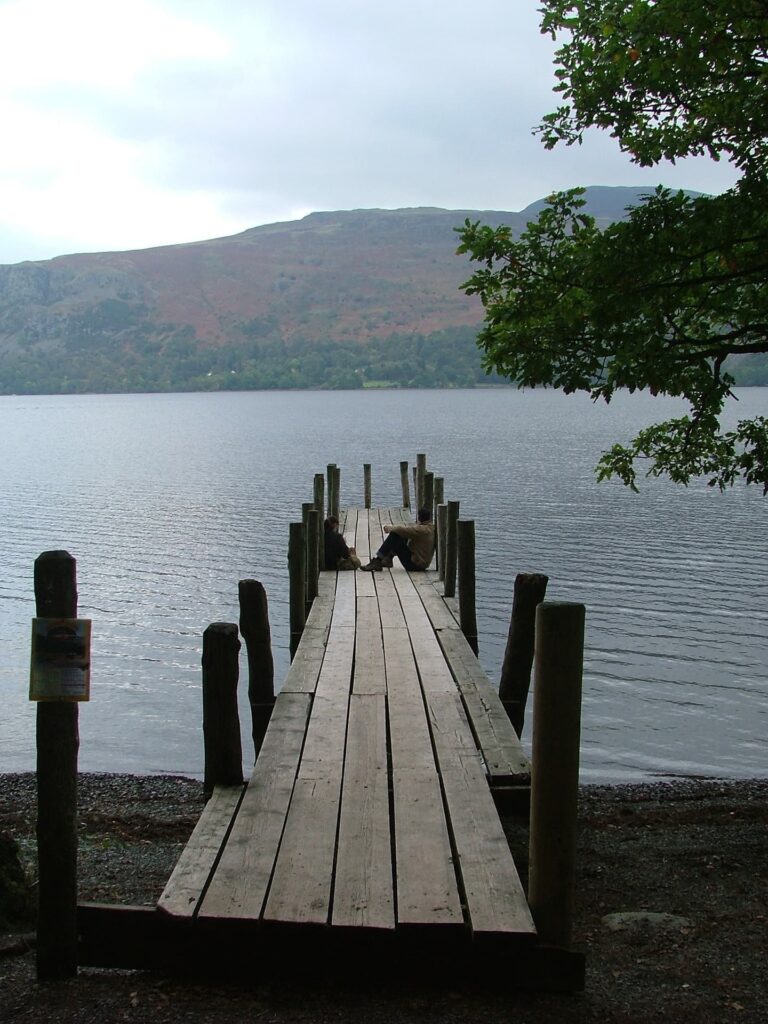
The Lake District National Park, England’s largest, is a UNESCO World Heritage Site known for its stunning lakes, rugged mountains, and rich history.
A great destination for both adventure and relaxation, the Lake District offers plenty of outdoor activities – from hiking Scafell Pike, England’s highest peak, to boating on Lake Windermere.
The region is home to England’s largest and deepest lakes, as well as dramatic peaks. Its diverse landscapes support wildlife such as red deer and rare birds, while unique habitats like wetlands, limestone pavements, and coastal heath make it an important area for conservation.
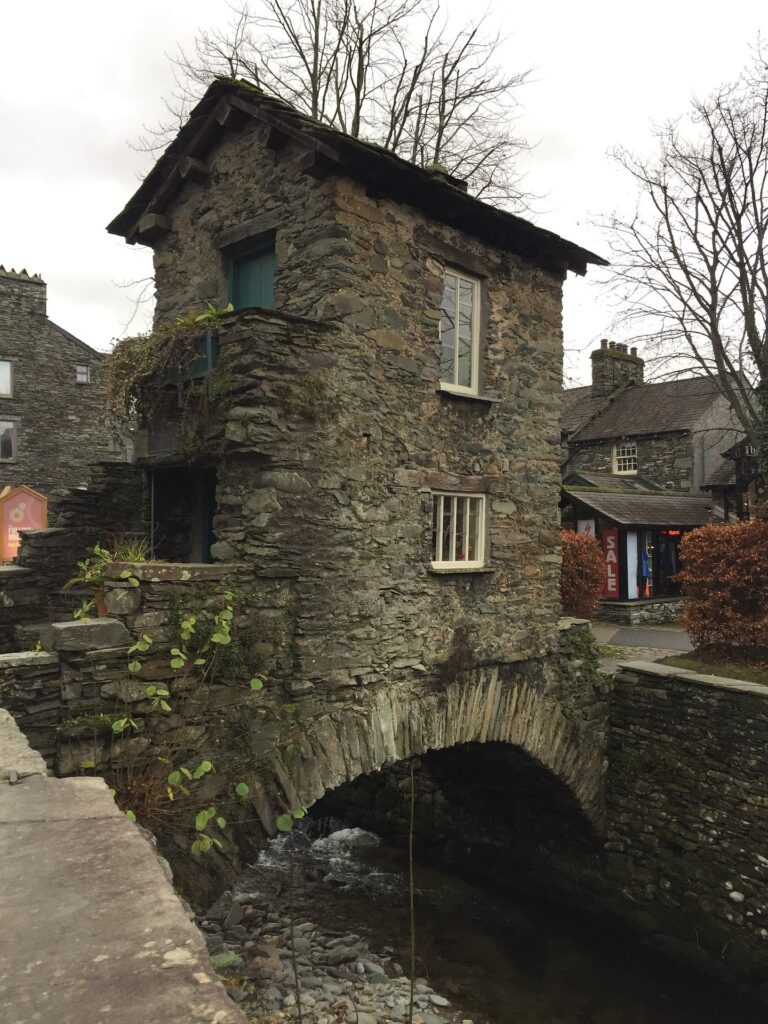
The Lake District also has bustling towns and villages like Keswick and Ambleside, where visitors can browse local shops, enjoy traditional food and drink, and learn about the area’s history.
For centuries, the Lake District has inspired famous writers, including William Wordsworth and Samuel Taylor Coleridge, who wrote about its beauty, and Beatrix Potter, whose stories are still loved by people of all ages.
2. Peak District National Park
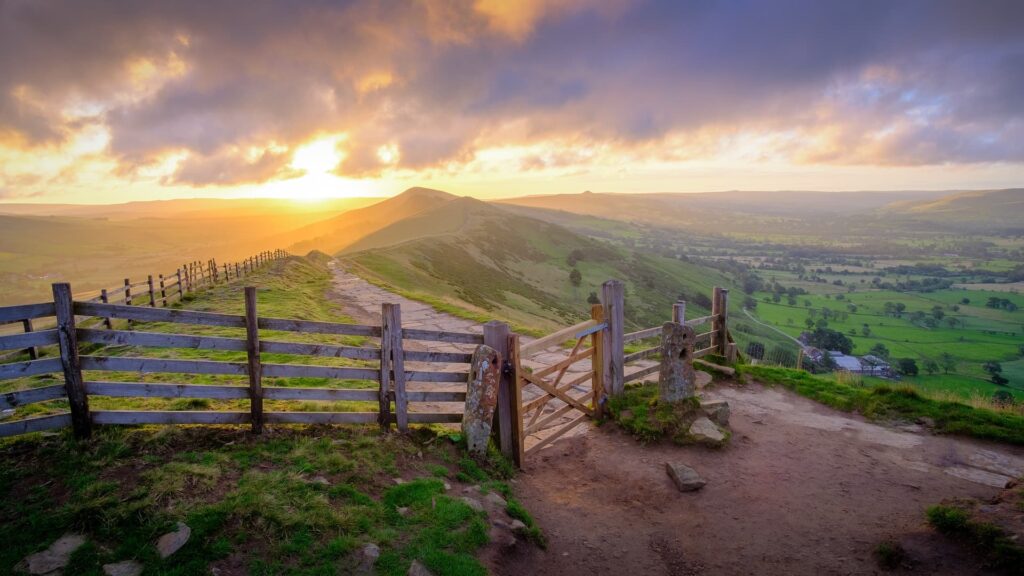
Where: Derbyshire, Cheshire, Greater Manchester, Staffordshire, South Yorkshire, West Yorkshire (all England)
Visitors: Approximately 10 million annually
The Peak District National Park, the UK’s first national park, welcomes around 10 million visitors each year.
With rolling hills, dramatic gritstone edges, and scenic valleys, the park has a vast network of walking and cycling trails, making it a popular escape for people from Manchester and Sheffield particularly.
A major highlight is Kinder Scout, the park’s highest point at 636 metres, offering hikers incredible views over the surrounding moorlands and valleys. Other must-see spots include Bakewell, famous for its delicious pudding, and Chatsworth House, a grand stately home with beautifully landscaped gardens.
For those looking for adventure, the Peak District offers rock climbing on the iconic Stanage Edge and scenic walks around Ladybower Reservoir, making it a great destination for both thrill-seekers and those who just want to enjoy the outdoors.
3. Snowdonia National Park
Where: Gwynedd, Conwy (Wales)
Visitors: Approximately 4.7 million annually
Snowdonia National Park (Welsh: Eryri) is known for rugged mountains, stunning landscapes, and rich history. At its heart is Yr Wyddfa (Mount Snowdon), the highest peak in Wales. While hikers take on the challenge of reaching the summit, others can enjoy the Snowdon Mountain Railway, which offers amazing views without the climb.
Beyond its beautiful scenery, Snowdonia has a deep cultural heritage. Visitors can explore Betws-y-Coed, a charming village with independent shops and cosy cafés, or step back in time at Caernarfon Castle, a UNESCO-listed fortress that reflects Wales’ medieval past. This mix of nature and history makes Snowdonia a must-visit destination.
Wildlife lovers can spot rare birds, including the impressive red kite, while the park’s Dark Sky Reserve status makes it one of the best places in the UK for stargazing. With its dramatic landscapes and variety of activities, Snowdonia keeps visitors coming back again and again.
4. New Forest National Park
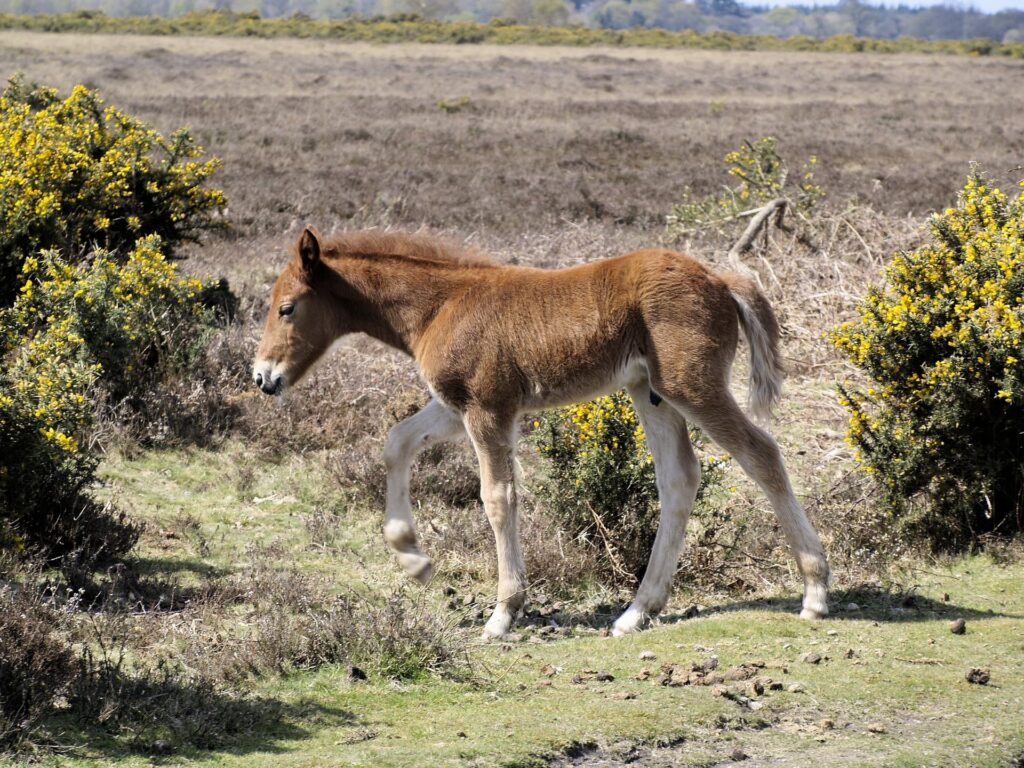
Where: Hampshire, Wiltshire (England)
Visitors: Approximately 4 million annually
New Forest National Park is known for its ancient woodlands, open heathlands, and unique wildlife. Located in southern England, it’s best known for the New Forest ponies, which have roamed freely for centuries. These hardy ponies are a key part of the landscape, often seen grazing in fields or wandering through villages.
The park is perfect for walking and cycling, with a network of scenic trails winding through lush forests, open heath, and charming villages.
Steeped in history, the New Forest has several historic landmarks. The medieval village of Lyndhurst is a great place to start exploring, while the picturesque town of Beaulieu is home to Beaulieu Palace House and the famous National Motor Museum.
Visitors can also enjoy local food and drink at traditional pubs and cafés, making the New Forest a great choice for both outdoor adventures and relaxed nature escapes.
5. Northumberland National Park
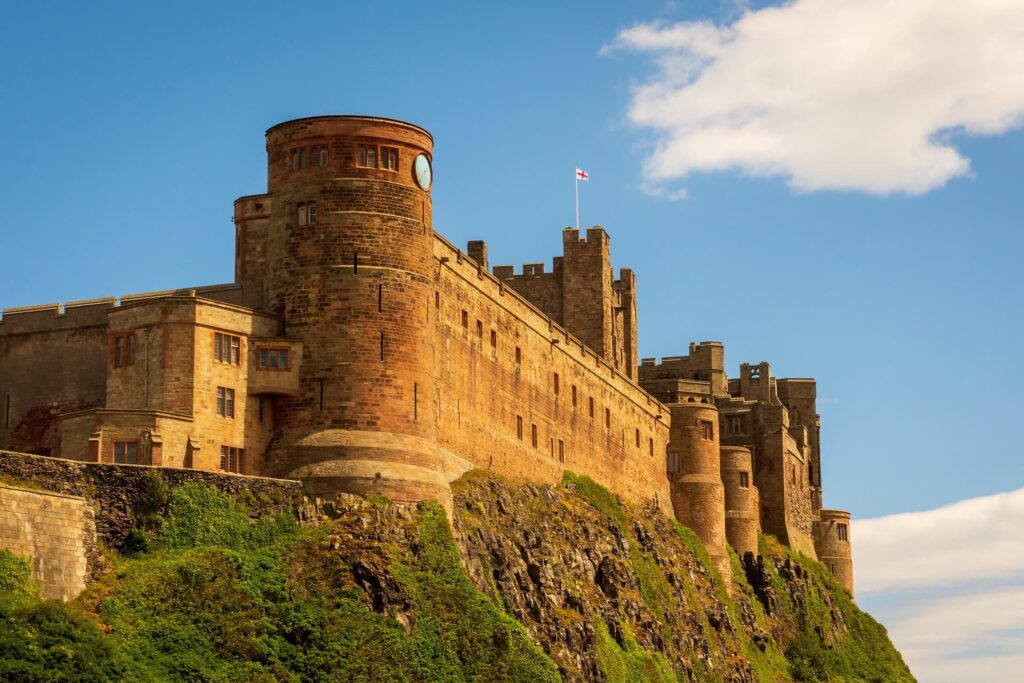
Where: Northumberland (England)
Visitors: Approximately 1.7 million annually
Northumberland National Park is one of the UK’s best-kept secrets, known for its wild landscapes, rich history, and incredible dark skies. As more people look for quiet, unspoiled destinations, Northumberland is gaining the recognition it deserves.
Its varied landscapes from rolling hills and ancient woodlands to open moorlands make it a great place for hiking, cycling, and birdwatching.
The park is home to iconic Roman ruins, including the famous Hadrian’s Wall, where visitors can step back in time. Scattered throughout the park, charming villages offer a warm welcome, with traditional pubs, artisan shops, and local attractions adding to the experience.
One of Northumberland’s standout features is its Dark Sky Park status, making it one of the best places in the UK for stargazing. On a clear night, visitors can see thousands of stars, and even spot the Milky Way, for a truly unforgettable experience.
6. North York Moors National Park
Where: North Yorkshire (England)
Visitors: Approximately 7.3 million annually
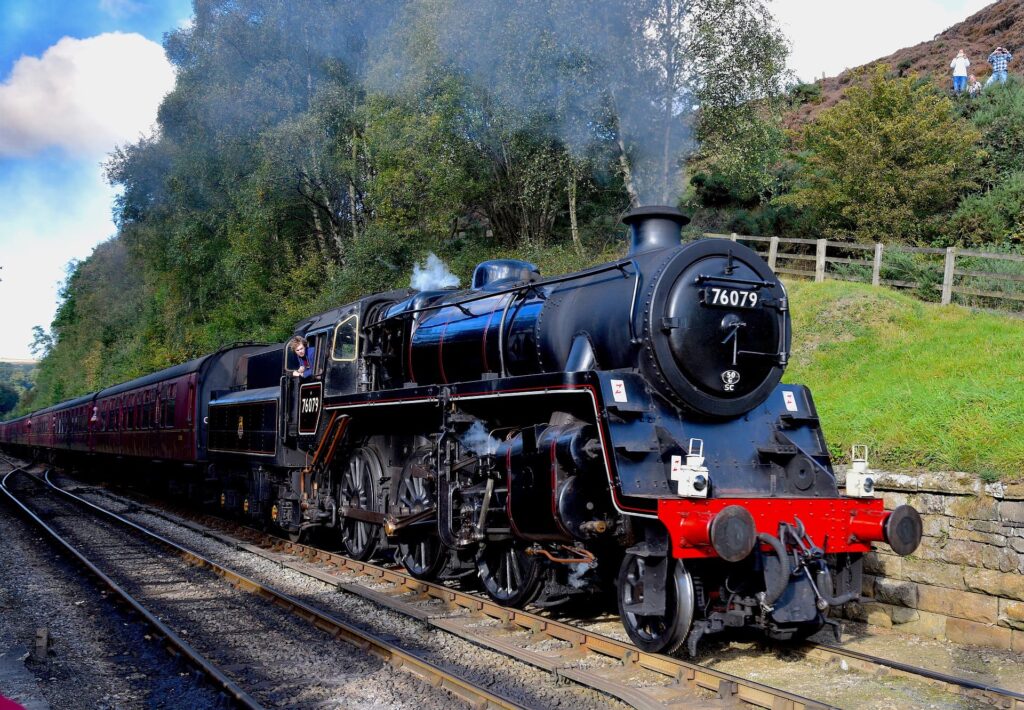
North York Moors National Park is known for its heather-covered moors, dramatic coastline, and charming villages. Visitors can explore Goathland, famous for its link to the TV show Heartbeat, or wander the historic market town of Helmsley, home to Helmsley Castleand a mix of independent shops and cafés.
The park offers plenty of outdoor activities, from hiking the Cleveland Way to cycling through rolling countryside around villages like Osmotherley and Rosedale. Along the coast, places like Saltburn and Whitby offer stunning cliffs, wide sea views, and sandy beaches, making them perfect for a seaside escape.
Wildlife thrives here, with opportunities to spot deer, red squirrels, and birds of prey. The park also protects unique habitats, including peat bogs and coastal cliffs, which support a rich variety of plants and animals.
Why Are National Parks Important?
National parks are vital for protecting nature and wildlife, providing safe habitats for many species, including rare and endangered ones. By preserving these areas, they help maintain biodiversity, allowing plants and animals to thrive for future generations.
But national parks aren’t just about nature – they also have rich cultural and historical significance. Many contain important landmarks that tell the stories of local communities and ancient civilisations, giving visitors a chance to learn about the heritage and traditions of the area.
They also offer a welcome escape from busy city life. Whether it’s hiking, camping, or wildlife watching, these parks give people the chance to enjoy the outdoors. Spending time in nature also reduces stress, boosts well-being, and improves mental health.
National Park FAQs
What is the most visited National Park in England?
The most visited National Park in England is the Lake District National Park. Its stunning lakes, mountains, and outdoor activities make it a popular destination for both locals and tourists.
What is the newest national park in the UK?
The newest national park in the UK is South Downs National Park, which was designated in 2010. It features rolling hills, chalk cliffs, and beautiful countryside, offering a range of outdoor activities and stunning views.
What is the oldest national park in Britain?
The Peak District National Park holds the title of the oldest national park in Britain, designated in 1951. It is renowned for its stunning landscapes, charming villages, and numerous walking trails.
What is Britain’s largest National Park?
Cairngorms National Park is Britain’s largest National Park, covering over 4,500 square kilometres in Scotland. It boasts a diverse range of landscapes, including mountains, forests, and rivers, and is home to some of the UK’s highest peaks.
What is the UK’s smallest National Park?
The smallest National Park in the UK is the Northumberland National Park, covering an area of approximately 1,050 square kilometres. Despite its size, it offers stunning landscapes and rich biodiversity, making it a hidden gem for nature lovers.
What is the most beautiful park in England?
Many consider Northumberland or the Lake District National Parks to be the most beautiful in England due to its breathtaking scenery, featuring tranquil lakes, towering mountains, and picturesque valleys. Other contenders include the Cotswolds and the Yorkshire Dales.
The most visited National Park in England is the Lake District National Park. Its stunning lakes, mountains, and outdoor activities make it a popular destination for both locals and tourists.
Many consider Northumberland or the Lake District National Parks to be the most beautiful in England due to its breathtaking scenery, featuring tranquil lakes, towering mountains, and picturesque valleys. Other contenders include the Cotswolds and the Yorkshire Dales.
The smallest National Park in the UK is the Northumberland National Park, covering an area of approximately 1,050 square kilometres. Despite its size, it offers stunning landscapes and rich biodiversity, making it a hidden gem for nature lovers.
Cairngorms National Park is Britain’s largest National Park, covering over 4,500 square kilometres in Scotland. It boasts a diverse range of landscapes, including mountains, forests, and rivers, and is home to some of the UK’s highest peaks.
The Peak District National Park holds the title of the oldest national park in Britain, designated in 1951. It is renowned for its stunning landscapes, charming villages, and numerous walking trails.
The newest national park in the UK is South Downs National Park, which was designated in 2010. It features rolling hills, chalk cliffs, and beautiful countryside, offering a range of outdoor activities and stunning views.
Final Thoughts
National Parks in the UK offer a unique opportunity to enjoy the stunning natural beauty and rich biodiversity of the countryside, providing a refreshing contrast to the more well-known attractions.
From the peaceful Lake District to the rugged landscapes of Northumberland, each park has its own identity. Whether you’re craving an adventure through hiking and cycling or simply want to unwind in picturesque surroundings, there’s a National Park suited to every interest and preference.